


Εξέλιξη Παραγγελίας
Εγγραφή |
Σύνδεση
-
-
-
-
-
-
-
- Cambium Networks AP (outdoor)
- Dahua Access Point
- Merucsys Access Point
- Wi-Tek AP
- SONICWALL AP
- Ruijie AP
- EnGenius AP
- Huawei AP
- IP-Com AP
- Huawei Access Point
- Mikrotik outdoor Radios/Antennas
- Mikrotik Access Point (indoor Radios - soHos)
- Mimosa AP
- Netis AP
- Planet AP
- Tenda AP
- Totolink AP
- Tp-Link AP (Indoor)
- Tp-Link AP (Outdoor)
- Ubiquiti AP (Indoor)
- Ubiquiti AP (Outdoor)
- Zyxel AP
-
-
-
-
-
-
-
- DELTA UPS - Protection
- LEGRAND UPS - Protection
- TESCOM UPS - Protection
- Security Professionals UPS - Protection
- EATON UPS - Protection
- HighEnergy UPS - Protection
- VERTIV UPS
- Hikvision UPS - Protection
- Dahua UPS - Protection
- AEG UPS - Protection
- Makelsan UPS - Protection
- NJOY UPS & Accessories
- FSP UPS - Protection
-
-
-
- Mimosa Accessories
- Network Adaptors/Power Supply/Accessories
- Huawei Power Adapters & Optic Module
-
-
- NetWork Card PCI
- Network Tools
-
-
- CATx RJ45/11 Keystone connector etc.
- R&M Lan Cables UTP/FTP
- HIKVISION Lan Cables UTP/FTP
- Ubiquiti Lan Cables
- Security Professionals Shielded Jack
- Dahua FTP-CAT5E Cable
- Leviton Brand-Rex Lan Cable UTP/FTP
- 3M LAN Cables
- SeaMAX Lan Cables UTP/FTP
- Earldom Lan Cables
- Detech Lan Cables UTP/FTP
- NIKOMAX Lan Cable UTP/FTP
- TP-LINK Lan Cables UTP/FTP
- OEM Lan Cables UTP/FTP
- Mikrotik Accessories
- Ubiquiti Accessories
- Zyxel Network Accessories
- Allied Telesis Net Accessories
-
-
- Rack Cabines Accessories
- Rack Power Supply - UPS
-
-
-
- SILCOR Rigid pipe
- MEDISOL Rigid pipe & Others
- CONDUR Rigid pipe & others
- SILCOR BEND L-connection
- MEDISOL BEND L-connection
- CONDUR BEND L-connection
- DUROFLEX Pipes & Others
- SUPERFLEX Pipes & Others
- Geonflex Pipes & Others
- COUPLER Pipes & Others
- SEALAND GEO
- ECO BEST Cable channels
- SELF ADHESIVE Cable channels
- Courbi Cable trunking Cable channel
- SIFLEX Cable Spiral & Accessories
- MEDIFLEX Cable Spiral & Accessories
- CONFLEX Cable Spiral & Accessories
- FXP TURBO Cable Spiral & Accessories
- OEM Cable Spiral & Corners & Nozzles & Accessories
- Cable Boxes
-
-
-
-
-
-
-
-
-
- PLANET Cameras
-
-
-
-
- Hikvision Camera HD-TVΙ 1MP
- Hikvision Camera HD-TVΙ 2MP
- Hikvision Camera HD-TVΙ 3MP
- Hikvision Camera HD-TVΙ 5MP
- Hikvision Camera HD-TVΙ 8MP
- Hikvision Camera HD-TVΙ PoC
- Hikvision Camera HD-TVΙ PTZ
- Hikvision Camera HD-TVΙ Fisheye
- Hikvision Camera HD-TVΙ Siren Full Time Color
- Hikvision HD-TVI Surveillance Vehicles Cam/Equip
-
-
-
-
-
- D-LINK Wifi Cameras
-
-
-
-
- Camasmart Wifi Ip Cameras
- OEM Smart Wifi Cameras
- Imou Wi-Fi-Ip Cameras
-
- Planet Ip Cameras
- Tenda Ip Cameras
-
- TP-Link IP Camera
-
- Uniarch IP Cameras
- Uniarch Wifi IP Cameras
-
-
-
- Hikvision 1.3MP Ip Cam
- Hikvision 2MP Ip Cam
- Hikvision 3MP Ip Cam
- Hikvision 4MP Ip Cam
- Hikvision 5MP Ip Cam
- Hikvision 6MP Ip Cam
- Hikvision 8MP Ip Cam
- Hikvision 12MP Ip Cam
- Hikvision PTZ Ip Cam
- Hikvision Panoramic - Multisensor Ip Cam
- Hikvision Fisheye/Thermal Ip Cam
- Hikvision ColorVu Ip Cam
- Hikvision Solar-Powered Standalone Security Camera
- Hikvision Counting/Face/Deep Learning Ip Cam
- Hikvision Hidden Mini Ip Camera
- Hikvision Explosion-Proof/Aggressive Environment IP Cameras
-
- Zyxel Ip Cam
- Ubiquiti Ip Cameras
-
- Ezviz Ip Camera
-
- Reolink Wi-Fi-Ip Cameras
- Reolink PoE IP Cameras(ONVIF-Hikvision NVR recorders)
-
-
-
-
-
- Cctv Tools
- TVT Accessories & Mounts
- Solar Equipment
- Raysharp Camera Mounts Accessories
- Cctv Adaptor
- Cctv Battery
- Cctv Cable
- Cctv Microphone
- Cctv Surge Protector
- Cctv Connector
- Cctv Power Supply
- Cctv Tester
- Dahua Iot Accessories
- Dahua Camera Mounts Accessories
- Dahua Mobile Solutions Accessories
- Dahua/UNIVIEW Megapixel Lenses
- Mounts for Cams (indoor and outdoor)
-
- Uniview Camera Mounts Accessories
- Hikvision Ip Camera Accessories
- Hikvision Camera Lens (CCTV)
- Handar Video and Data Transmission optical cable
-
-
-
-
- Acoustic Multilayer Glass Break Detector
- Curtain PIR Detector
- Curtain PIR & Glass Break Detector
- Motion and Destruction Detector
- Passive Infrared Detector
- Passive infrared & glass break detectors
- Passive Infrared Detector with Pet immunity
- PIR detectors for extremely harsh environments
- PIR & Microwave detectors for indoor use
- PIR & Microwave Detector for Outdoor Use
- Additional Lenses and Sunshield filter for Pir Detectors
- Universal Brackets
- BOSCH INTEGRATED SYSTEMS
- PROTECT Fog Cannon
- Texecom PIR Detectors
- Honeywell PIR Detectors
- GSN PIR Detectors
- ELMDENE PIR Detector
- D-TECT PIR Detectors
- Infrared Barriers - Detector - Accessories
- Texecom Keyboards - Panels
- DAHUA Metal Detector
- ET-ENG Metal Detector
- UR Fog Safety
- Shelly Contacts & Detectors
- MAXIMUM PIR Detectors
- GJD PIR Detectors
- CIAS Pir Detector / Barrier Microwave
- ALEAN infrared barrier
- Mars Commerce Detectors & Accessories
- IMOU Detectors & Accessories
- ORNO PIR detector
- AVS Detector - Accessories
- Infrared projectors
- FOCUS Detectors - Accessories
- Gas Detectors - Accessories
- Hikvision Wired detectors
- Hikvision 868Mhz wireless detectors
- Hikvision Brackets for Detectors
- Satel Detectors - Accessories
- XTRALIS Detectors - Accessories
- Other Detectors & Accessories
-
-
-
- TELETEK ADDRESSABLE ELECTRONICS SIMPO PANELS
- TELETEK ADDRESSABLE ELECTRONICS iRIS PANELS
- TELETEK VELLA series
- TELETEK SensoIRIS Series
- TELETEK Addressable Manual Buttons and Sirens for SIMPO and IRIS
- TELETEK Basics behind SensoIRIS and Vella
- TELETEK Addressable modules
- TELETEC WIRELESS FIRE ALARM
- TELETEC CONVENTIONAL DETECTORS ELECTRONICS
-
-
-
- DMTech Fire Alarm Panels
- Cofem Fire Alarm Panels
- Kentec Fire Alarm Panels - Accessories
- Kentec Software
- NSC Fire Alarm Panels - Accessories
- PH Svesis Fire Control Panels - Accessories
- Vimpex Fire alarm Controllers
- DETECTOMAT Control Panels - Accessories
- DETNOV Fire Alarm Control Panels - Modules - Accessories
- SATEL Control Panels - Keyboards
- SATEL Expansion/Communication Modules - Readers - Accessories
-
-
-
-
-
-
-
-
-
-
-
-
- TELETEK Control Panel
- TELETEK Extenders / Modules
- TELETEK Keyboards
- TELETEK BRAVO wireless panels
- TELETEK Bravo communication modules
- TELETEK PAX Keyboards and Remotes
- TELETEK PAX detectors
- TELETEK PAX Sirin
- TELETEK PIR MOTION DETECTORS
- TELETEK COMBINED MOTION DETECTORS
- TELETEK VIBRATION/ACOUSTIC DETECTORS
- TELETEC ELECTRONICS COMMUNICATORS
- TELETEK SIREN
- TELETEK PANIC BUTTONS
- TELETEK POWER SUPPLIES/TRANSFORMERS/ACCESSORIES
- TELETEC CONVENTIONAL PANEL MAG
-
-
- Different Sec (Συναγερμοί)
- Hikvision Wireless Alarm Systems/Kits (Συναγερμοί)
- Alarm Cables
- Connectors
- OEM PIR Detecors - Alarm -Smarthome Sensors(Συναγερμοί)
-
-
-
- Salto access Control and Hotel systems
- Dahua access Control - Accessories
- Hundure access Control
-
-
- Hikvision Access control controllers
- Hikvision Accessories and Additional modules
- Hikvision Standalone Biometric terminals
- Hikvision Contactless readers and keyboards EM 125 kHz
- Hikvision Standalone biometric terminals with face recognition
- Hikvision Elevator access controllers
- Hikvision Contactless readers Mifare 13.56MHz
- Hikvision 868Mhz wireless panels
- Hikvision 868Mhz hybrid panels
-
-
- Texecom Control Panels - Expanders
- S4A INDUSTRIAL CO
- Catchview access control
- DORCAS access control
- DEA SYSTEM access control
- OEM access control
- Ubiquity Access Control
- ZkBioSecurity access control software, modules and licenses
- ZKTeco controllers and accessories
-
-
-
-
-
-
-
- Freestanding Controllers - Readers
-
- RFID Cards/Tags
- USB Programmers (Tickets)
- Alarm Software - Accessories
-
-
- Electric Wine Dispenser
- Thermometer - Θερμόμετρα
- Αερόθερμα - Heaters - Fans
- Αποχυμωτές / Στίφτες - Juice Extractors
- Βραστήρες Αυγών - Egg Boiler
- Βραστήρες - Electric Kettles
- Ζυγαριές - Scales
-
- Ηλεκτρικές Σχάρες - Grill
- Καφετιέρες - Coffee Machines
- Μίξερ - Mixer
- Μπλέντερ - Blender
- Ξυριστικές Μηχανές - Shavings
- Οικιακές Συσκευές - Home Appliances
- Πιστολάκια Μαλλιών - Hair Dryers
- Πρέσες Μαλλιών - Hair Straighteners
- Περιποίηση Νυχιών - Nails Dryer
- Ραδιόφωνα - Radio
- Τοστιέρες - Toasters / Waffler Grills
- Φορητά Ηχεία - Portable Speakers
-
- Φούρνοι & Επιτραπέζιες Εστίες - Oven & Stoves
- Φριτέζες - Deep & Air Fryers
- Φρυγανιέρες - Toasters
- Ψύκτες Νερού - Dispenser
- Ιονιστής / Καθαριστής Αέρα
- Solar Lamps - Accessories
- Steam Cleaner - Cleaner - Accessories
- Electric Water Heater - Accessories - Filter
-
-
-
-
-
-
-
-
-
- Network Cards & Adapters
- Sound Cards Adapters
- PCI/PCMCiA Cards - Controllers
- Cable Organizer
-
-
-
-
-
- Gaming Controllers
-
- GENIUS Headset - Ακουστικά
- Dragon War Headset-Ακουστικά
- Ovleng Headset-Ακουστικά
- FanTech Headset-Ακουστικά
- Canyon Headset-Ακουστικά
- Gamdias Headset-Ακουστικά
- OEM Headset-Ακουστικά
- Oakorn Headset - Ακουστικά
- Moveteck Headset-Ακουστικά
- Aula Headset
- DELL Headset - Ακουστικά
- Razer Headset - Ακουστικά
- Onikuma-Headset
- Alienware Headset Ακουστικά
- LOGITECH Headset
- ugo headseat-Ακουστικα
- sony headset-Ακουστικα
- Hp headset-Ακουστικα
- Trust headset-Ακουστικα
- Lenovo headset-Ακουστικα
- JBL headset-Ακουστικα
-
- Kisonli Speakers - Ηχεία
- OEM Speakers - Ηχεία
- FanTech Speakers - Ηχεία
- Camac Speakers - Ηχεία
- Genius Speakers - Ηχεία
- Elekom Speakers - Ηχεία
- Logitech Speakers
- Aula Speakers - Ηχεία
- Razer Speaker - Ηχεία
- Ugo Ηχεια
- genesis speakers computer
- sharp computer speakers
- Sony computer speakers
- Samsung computer speakers
-
- Gamdias Keyboard
- Canyon Keyboard
- DeTech Keyboard
- Genius Keyboard
- Loshine Keybord
- Dragon War Keyboard
- FanTech Keyboard
- D Keyboard
- ZornWee Keyboard
- Glion Keyboard
- MIXIE Keyboard
- uGO Keyboard
- TRUST Keyboard
- Logitech Keyboard
- Microsoft Keyboard
- Fury Keyboard
- HP Keyboard
- Dell Keyboard
- Lenovo Keyboard
- Genesis Keyboard
- Aula Keyboard
- Prestigio Keyboards
- Amino Keyboard
- Onikuma Keyboard
- OEM Keyboard
- Alienware Keyboard
-
-
-
- OEM Mouse
- GENIUS Mouse
- Dragon War Mouse
- FanTech Mouse
- Gamdias Mouse
- ZornWee Mouse
- Loshine Mouse
- Canyon Mouse
- DeTech Mouse
- D Mouse
- MIXIE Mouse
- Moveteck Mouse
- TRUST Mouse
- Aula Mouse
- Onikuma Mouse
- Earldom Mouse
- Alienware Mouse
- Dell Mouse
- LOGITECH Mouse
- Corsair Mouse
- Asus mouses
- UGO Mouses
- HP Mouses
- Fujitsu Mouses
-
- Tablet PC
-
- ALL Pc Cables - Adapters - Parts - Elements
- DVD-Οδηγοί Οπτικών Μέσων
-
-
-
-
-
-
-
-
-
-
-
-
-
-
-
- SANDISK USB FLASH DRIVE
- DETECH USB FLASH DRIVE
- STRONDIUM USB FLASH DRIVE
- OEM USB FLASH DRIVE
- KINGSTON USB FLASH DRIVE
- CORSAIR USB FLASH DRIVE
- GOODRAM USB FLASH DRIVE
- APACE USB FLASH DRIVE
- HIKVISION USB FLASH DRIVE
- PATRIOT USB FLASH DRIVE
- SAMSUNG USB FLASH DRIVE
- SILICON POWER USB Flash Drive
- REMAX USB FLASH DRIVE
- REMAX USB FLASH DRIVE
-
-
- Usb Card Readers
-
-
- Cleaning Kits - Tools
- Εργαλεία PC - PC Tools
-
-
-
-
-
- Ακουστικά iphone - ipad
- Βάσεις - Πληκτρολόγιο iphone/ipad
- Θήκες ipad
-
- Καλώδια iphone - ipad
-
-
- Προστασία Οθόνης ipad
- Προστασία Οθόνης iphone 11/XR
- Προστασία Οθόνης iphone 12 Mini
- Προστασία Οθόνης iphone 12 Pro Max
- Προστασία Οθόνης iphone 12 Pro
- Προστασία Οθόνης iphone 12
- Προστασία Οθόνης iphone 13 Pro Max
- Προστασία Οθόνης iphone 13 Pro
- Προστασία Οθόνης iphone 13 Mini
- Προστασία Οθόνης iphone 6/6S
- Προστασία Οθόνης iphone 6/6S plus
- Προστασία Οθόνης iphone 7/8
- Προστασία Οθόνης iphone 7/8 plus
- Προστασία Οθόνης iphone X / XS / 11 Pro
- Προστασία Οθόνης apple watch 1,2,3
- Προστασία Οθόνης iphone XS Max / 11 Pro Max
- Φορτιστές iphone-ipad
- Apple pens
- Apple Airtag
-
- Oacorn Mobile Earphone
- Earldom Mobile Earphone
- Ovleng Mobile Earphone
- Moveteck Mobile Earphones
- Yookie Mobile Earphones
- Remax Mobile Earphones
- One Plus Mobile Earphones
- Vykon Mobile Earphones
- Genius Mobile Earphones
- OEM Mobile Earphones
- Elekom Mobile Earphones
- Baseus Mobile Earphone
- BANG & OLUFSEN Earphones
- Modorwy Mobile Earphone
- Gjby Mobile Earphone
- Music Taxi Earphones
- Onikuma Earphones
- WiWu Earphones
- Sony Mobile Earphone
- CANYON Mobile earphone
- TCL Earphones
-
-
- Έξυπνα Χειριστήρια Κινητών & VR
-
-
- Kisonli Ηχεία Κινητών
- OEM Ηχεία Κινητών
- Modorwy Ηχεία Κινητών
- Tp-Link Ηχεία Κινητών
- ZTE Ηχεία Κινητών
- Elekom Ηχεία Κινητών
- Oner Plus Ηχεία Κινητών
- Genius Ηχεία Κινητών
- Moveteck Ηχεία Κινητών
- BANG & OLUFSEN Ηχεία Κινητών (Bluetooth)
- CANYON Ηχεία Κινητών (Bluetooth)
- LOEWE Ηχεία Κινητών (Bluetooth)
- SILICON POWER Ηχεία Κινητών (Bluetooth)
- WE BY LOEWE Ηχεία Κινητών (Bluetooth)
- Onikuma Ηχεία Κινητών
- Remax Ηχεία Κινητών
- hisense bluetooth mobile speakers
- Sony bluetooth speakers
- JBL Ηχεία Κινητών
- SONY Ηχεία Κινητών
-
-
- Προστασία Οθόνης Huawei
- Προστασία Οθόνης Xiaomi
- Προστασία Οθόνης Neffos
- OEM Protective Films & Mascine
-
- Προστασία Οθόνης Samsung Galaxy S10
- Προστασία Οθόνης Samsung Galaxy S10 Plus
- Προστασία Οθόνης Samsung Galaxy S10E
- Προστασία Οθόνης Samsung Galaxy S7 Edge
- Προστασία Οθόνης Samsung Galaxy S20
- Προστασία Οθόνης Samsung Galaxy S20 Plus
- Προστασία Οθόνης Samsung Galaxy S20 Ultra
- Προστασία Οθόνης Samsung Galaxy Note S10/S10 Plus/S20
- Προστασία Οθόνης Samsung Galaxy A10/A11/A13/A21/20E/A23/A30S/A31/A32/A33/A41/A42/A51/A53/A54/A71/A80
- Προστασία Οθόνης Samsung Galaxy S21
- Προστασία Οθόνης Samsung S23/S24
- Προστασία Οθόνης Samsung Galaxy S9
-
- Selfie Sticks
-
- One Plus Power Bank
- Samsung Power Bank
- Trust Power Bank
- Asus Power Bank
- HUAWEI Power Bank
- Lenovo Power Bank
- uGO Power Bank
- Earldom Power Bank
- SILICON POWER Power Bank
- Dell Power Bank
- Yookie Power Bank
- WiWu Power Bank
- OEM POWER BANK
- Baseus Power Bank
- CANYON Power Bank
- TP-Link Power Bank
- Remax Power Bank
- Romoss Power Bank
- ZTE Power Bank
- LDNIO Power Bank
- Totolink Power Bank
- Janlon Power Bank
- Alkaline batteries
- Prestigio Power bank
- eReaders
-
-
-
-
-

Το Καλάθι μου


Πληρωμές


Μεταφορικές Εταιρείες

Πληροφορίες


DETNOV DTD-210 heat detector
- Ασφάλεια - Συναγερμοί
- Fire Alarm / Συναγερμοί Πυρκαγιάς
- Fire Detectors - Accessories - Call Points
- DETNOV Detectors - Accessories
- DETNOV DTD-210 heat detector
7.90 €
Συμπεριλαμβάνεται Φ.Π.Α. 20%
χωρίς τα έξοδα αποστολής
Συμπεριλαμβάνεται Φ.Π.Α. 20%
χωρίς τα έξοδα αποστολής
Κωδικός: 92945

Βάρος: 0.100 kg
Σε απόθεμα
Σε απόθεμα
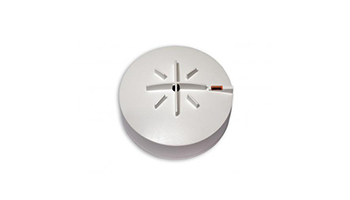
DETNOV DTD-210 heat detector
Conventional heat detector (58°C fixed temperature and 8ºC/min thermal rate of rise) with status indicator LED remote pilot output, anti-theft system. White color. Requires connection base Z-200 or Z-200-H. CPR certificate EN54-5. Dimensions: 100 x 40 mm
Description
The new 200 series of conventional detectors has been developed using the most innovative technical advances. Its completely new design makes the 200 series one of the most elegant on the market, ideal for facilities in which the balance between functionality and aesthetics is necessary.
The range of 200 series conventional detectors is made up of 4 detector model types. They are a 58oC rise-of- rate detector, a 78oC heat detector, an optical detector and an optical-heat detector. All of them are compatible with DETNOV's conventional control panels and analogue monitor units, and with the majority of the conventional panels on the market.
The DTD-210 rise-of-rate detector detects a quick temperature increase in a period of time or a temperature over 58oC; in both cases the detector will go into the alarm state, and the detector's integrated LED will switch on.
The 200 series detectors require the Z-200 base in order to connect. This connection base includes a blocking option which avoids it being tampered with. A tool is needed to remove the detector once it is blocked.
Detectors in this series have non-polarity technology, facilitating system wiring and saving a huge amount of time in commissioning the system.
The protected area is 20 m2 and the maximum installation height is 7.5 meters.
Features
o Elegant design and low profile
o Heat and rise-of-rate function
o 58oC static alarm function
o Two-wire connection with non-polarity
o Remote indicator port
o Compatible with any conventional fire control panel
o EN54-5 approved
Applications
DTD-210 conventional detectors are suitable for those areas in a fire detection system in which a fire will cause more heat than smoke, and it is also suitable for those establishments where the daily activity usually produces smoke, steam or powder, such as industrial kitchens, boiler rooms, changing rooms and car parks.
Τιμή Μονάδος: 7.90 €
Κατασκευαστής:
Βάρος: 0.100 kg
Κατασκευαστής:
Βάρος: 0.100 kg
Παρόμοια Προϊόντα
- Cofem ZCO225BUL 2 zone addressable CO sensor control panel for max. 25 sensors
- TELETEK MIO22 M Addressable module - 2 inputs and 2 outputs with monitoring, built-in isolator and P
- TELETEK MIO22 M IP65 BOX Addressable module - 2 inputs and 2 outputs with monitoring, built-in isola
- TELETEK MIO04 Addressable module - 4 outputs with built-in isolator and PVC box for SIMPO and iRIS p
- TELETEK MIO04 IP65 BOX Addressable module - 4 outputs with built-in isolator and PVC box for SIMPO a
- NSC B01100-00 Loop extension module
- DMTech FP9000L-2 Conventional fire alarm control panel with 2 detection zones
- DMTech FP9000L-4 Conventional fire alarm control panel 4 zones
- DMTech FP9000L-6 Conventional fire alarm control panel with 6 zones
- DMTech FP9000L-8 Conventional fire alarm control panel with 8 zones
- DMTech FP9000-4 Fire alarm panel Fire lines 4
- DMTech FP9000-8 Fire alarm panel Fire lines 8
- DMTech FP9000R Repeater panel
- DMTech FP9000P Power supply panel for fire protection automation
- DMTech M9000R-2 Expansion module for fire alarm control panels


Copyright ©2026 TRONIX. Με επιφύλαξη κάθε νόμιμου δικαιώματος
Αρχική Σελίδα | Επικοινωνία | Το Καλάθι μου | Σύνδεση | Τρόποι Πληρωμής | Τρόποι Αποστολής | Τρόποι Παραγγελίας | Πολιτική Απορρήτου | Όροι Χρήσης | Γενικοί οροί εγγύησης | Όροι Ακύρωσης Υπηρεσιών | Sitemap
Αρχική Σελίδα | Επικοινωνία | Το Καλάθι μου | Σύνδεση | Τρόποι Πληρωμής | Τρόποι Αποστολής | Τρόποι Παραγγελίας | Πολιτική Απορρήτου | Όροι Χρήσης | Γενικοί οροί εγγύησης | Όροι Ακύρωσης Υπηρεσιών | Sitemap